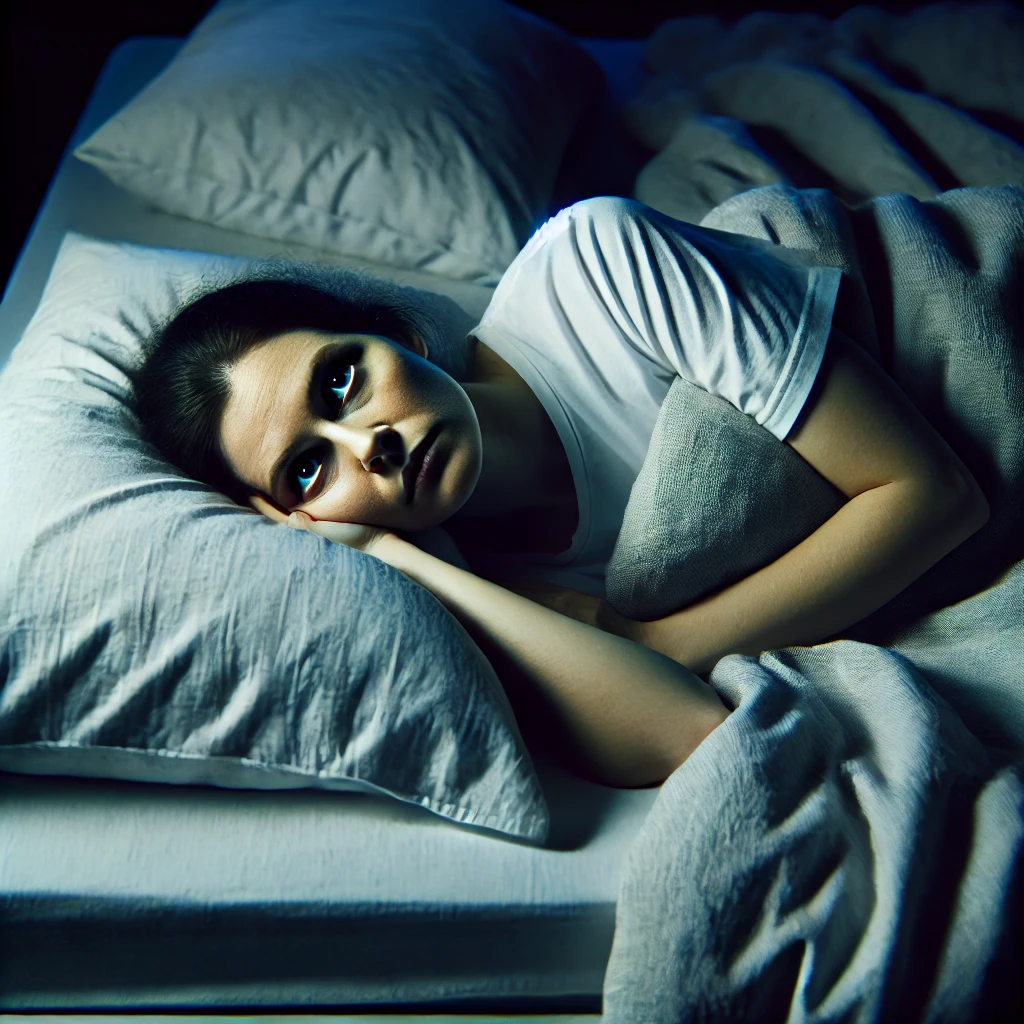
There’s no denying it—energy drinks can be a lifesaver when you’re staring down a long workday or battling that mid-afternoon slump. But what happens when that morning (or mid-day, or post-dinner) pick-me-up doesn’t fade when you’d like it to?
The promise of focus, alertness, and an energy boost can seem too good to resist, but there’s a downside too—namely, your sleep. Whether you’re a casual consumer or a daily devotee, here’s everything you need to know about how these caffeinated concoctions might be impacting your nightly shut-eye.
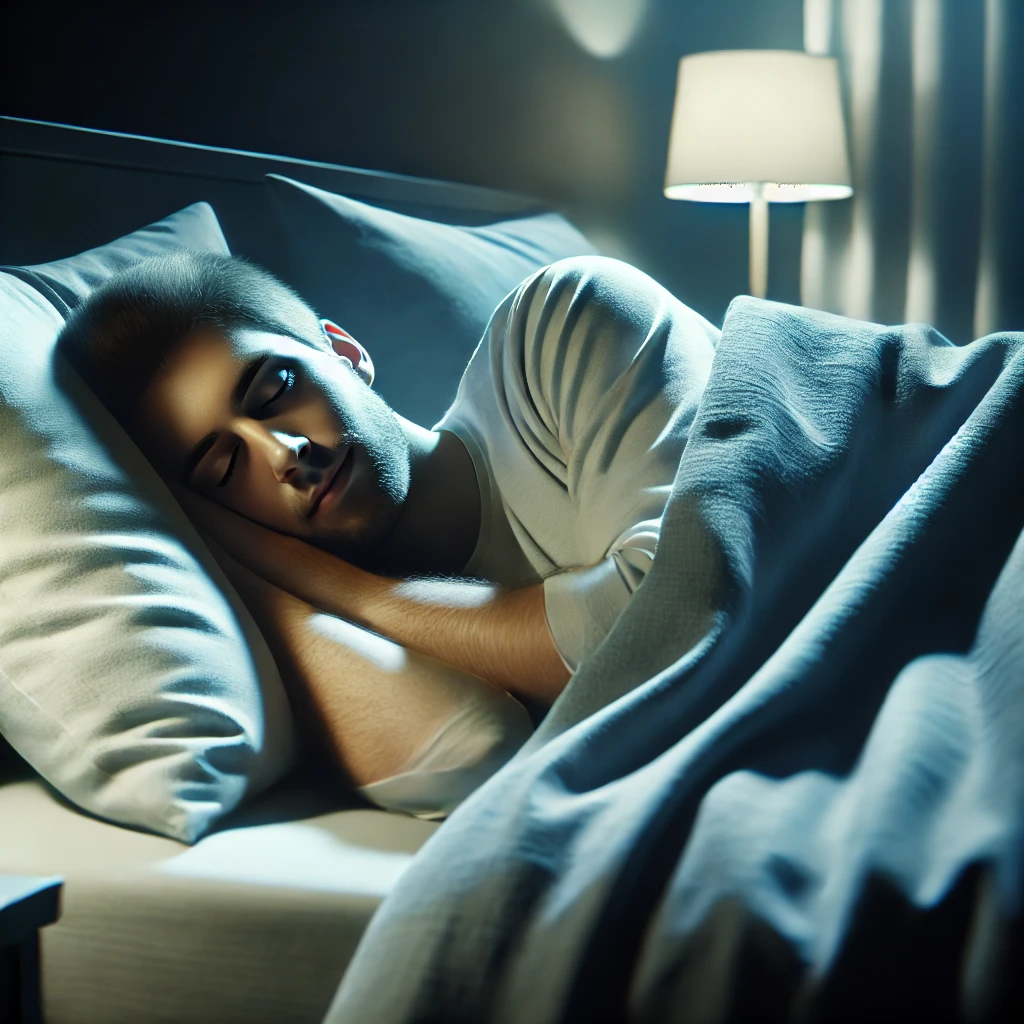
Sleep is essential for our health, affecting everything from memory and mood to immune function. The body runs through sleep stages (light, deep, and REM) each night, cycling about every 90 minutes. According to research published in Nature and Science of Sleep, the REM phase is critical for cognitive function, while the deep sleep stages help repair the body and prepare us for a new day.
Enter the caffeine molecule, the main ingredient responsible for that energetic jolt in energy drinks.
Caffeine blocks adenosine, a neurotransmitter that makes you feel sleepy, and increases the production of adrenaline and dopamine, essentially hijacking the body’s natural mechanisms to keep you feeling alert. While this is great news for focus and concentration, especially in the short term, it can also wreak complete havoc on your sleep if consumed too late in the day.
When it comes to caffeine, timing really is everything. Caffeine has a half-life of around five hours, meaning that if you down a can at 3 p.m., half of that caffeine will still be in your system at 8 p.m.
Clinical Pharmacology & Therapeutics published findings indicating that even small amounts of caffeine in the bloodstream can interfere with sleep quality, so your late-afternoon sip could easily keep you tossing and turning at night.
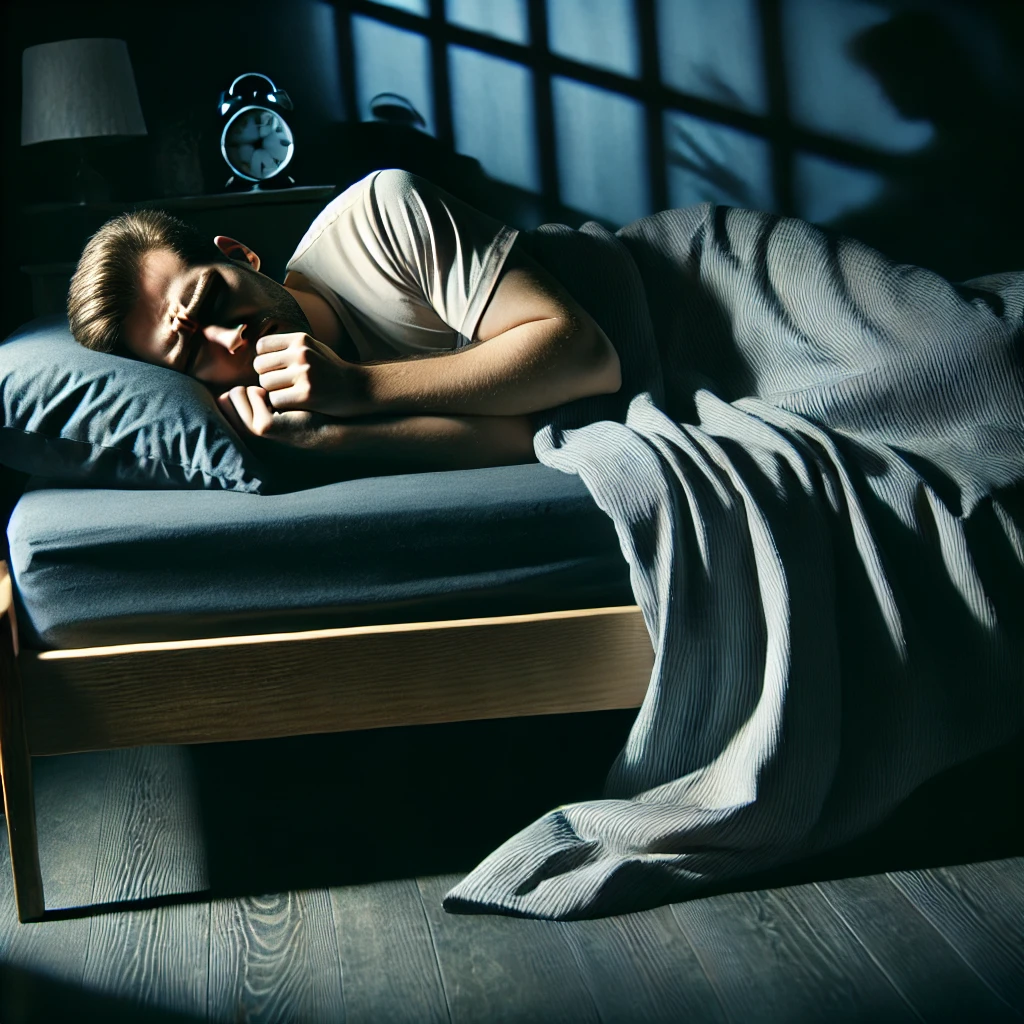
But everyone metabolizes caffeine differently. Genetics, age, and lifestyle habits play a role, so the impact can vary. For some, caffeine lingers longer, turning even an afternoon boost into a 2 a.m. nightmare. Experts generally recommend cutting off caffeine six hours before bedtime, but you might need more time depending on how sensitive you are.
A little trial and error can go a long way.
Try setting your own caffeine cut-off at 2 p.m. if you have an 8 p.m. bedtime and adjust based on how you feel. Your sleep app can help track how much quality sleep you’re getting each night.
Even if you manage to fall asleep with caffeine in your system, studies show that it can impact sleep quality. A study in Sleep Medicine Reviews found that caffeine decreases the amount of deep sleep you get while increasing light sleep stages. This means that, while you may be “sleeping,” your body isn’t as refreshed or well-rested come morning.
During deep sleep, the body performs some of its most vital processes: tissue repair, immune function boosts, and energy restoration. Missing out on deep sleep due to caffeine disrupts these essential recovery functions, leading to irritability, mood swings, and fatigue—even if you slept for eight hours.
Another factor to consider is caffeine tolerance. Over time, the body adapts to the caffeine doses it receives regularly, meaning you may need more of it to feel the same effects. This can create a vicious cycle, where you’re drinking more and more energy drinks, which makes getting restful sleep even harder.
Additionally, because caffeine withdrawal can lead to symptoms like headaches, fatigue, and even low mood, cutting back isn’t always a straightforward process. The American Journal of Psychiatry points out that reducing caffeine intake gradually is usually a more comfortable approach.

Energy drinks often contain more than just caffeine—ingredients like guarana, taurine, ginseng, and B vitamins each have their own effects and, potentially, their own contributions to sleeplessness.
- Guarana is a plant-based stimulant that contains twice as much caffeine as coffee beans. Think of it as caffeine on caffeine, which can linger in your system just as long as regular caffeine.
- Taurine is an amino acid that can have an energizing effect. Its effect on sleep is less clear, but it can make the blend more stimulating.
- Sugar in energy drinks can also give you a quick energy boost but may lead to a “crash,” leaving you feeling drained. A sugar spike and crash cycle can disturb sleep if you’re trying to rest shortly after.
To navigate these effects, choose brands that disclose ingredient amounts, allowing you to understand and manage your intake better. Transparency around ingredients can be the difference between a subtle energy boost and a long, sleepless night.
So, if energy drinks are a no-go post-afternoon, what can you do when you need a pick-me-up after hours? Here are a few alternatives:
- Herbal Teas
Certain teas, like chamomile or valerian root, are known for their calming effects and can help you unwind. If you’re looking to “re-energize” your focus instead of your body, peppermint tea can give a mental boost without the jitters.

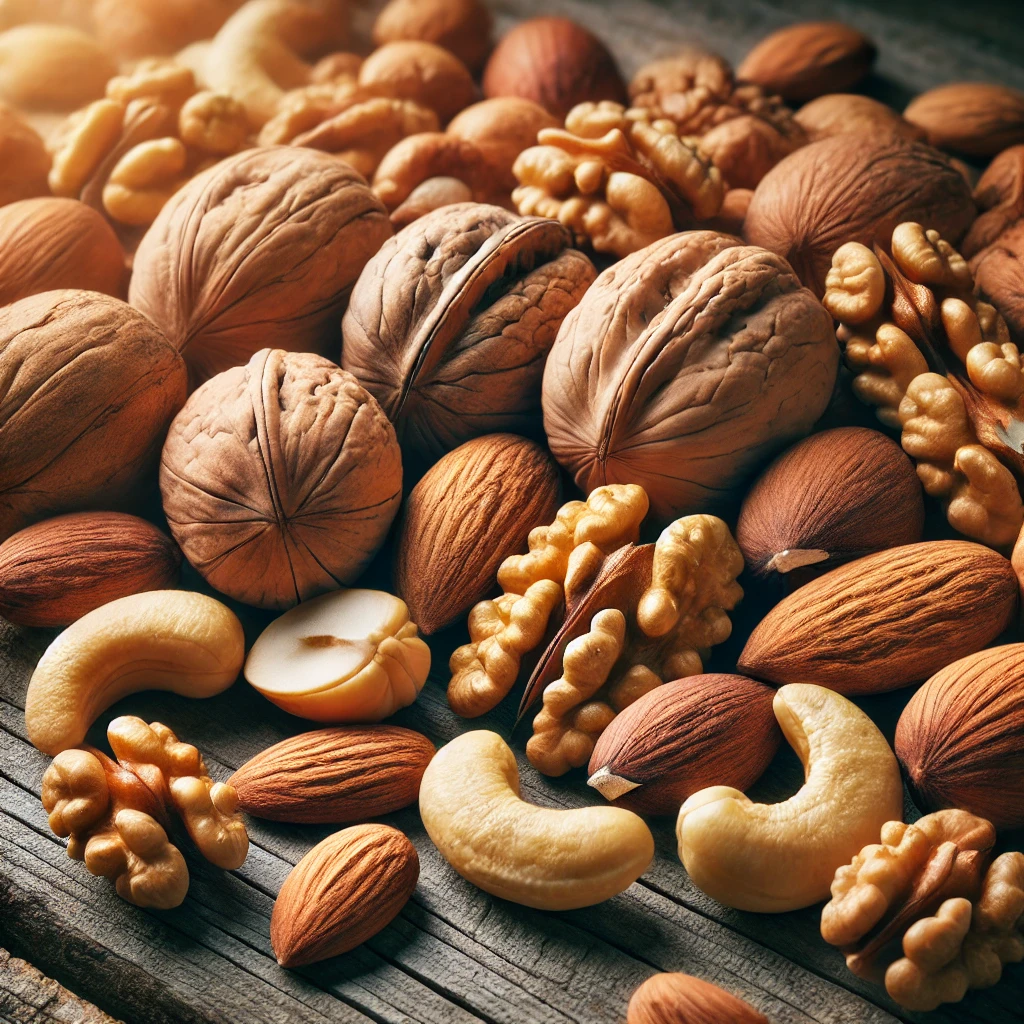
2. Nut-Based Snacks
A handful of almonds or walnuts can be a natural energy boost without disrupting your sleep. They provide protein, fats, and carbs, which keep your energy levels steady and are also packed with magnesium, known for its sleep-promoting qualities.
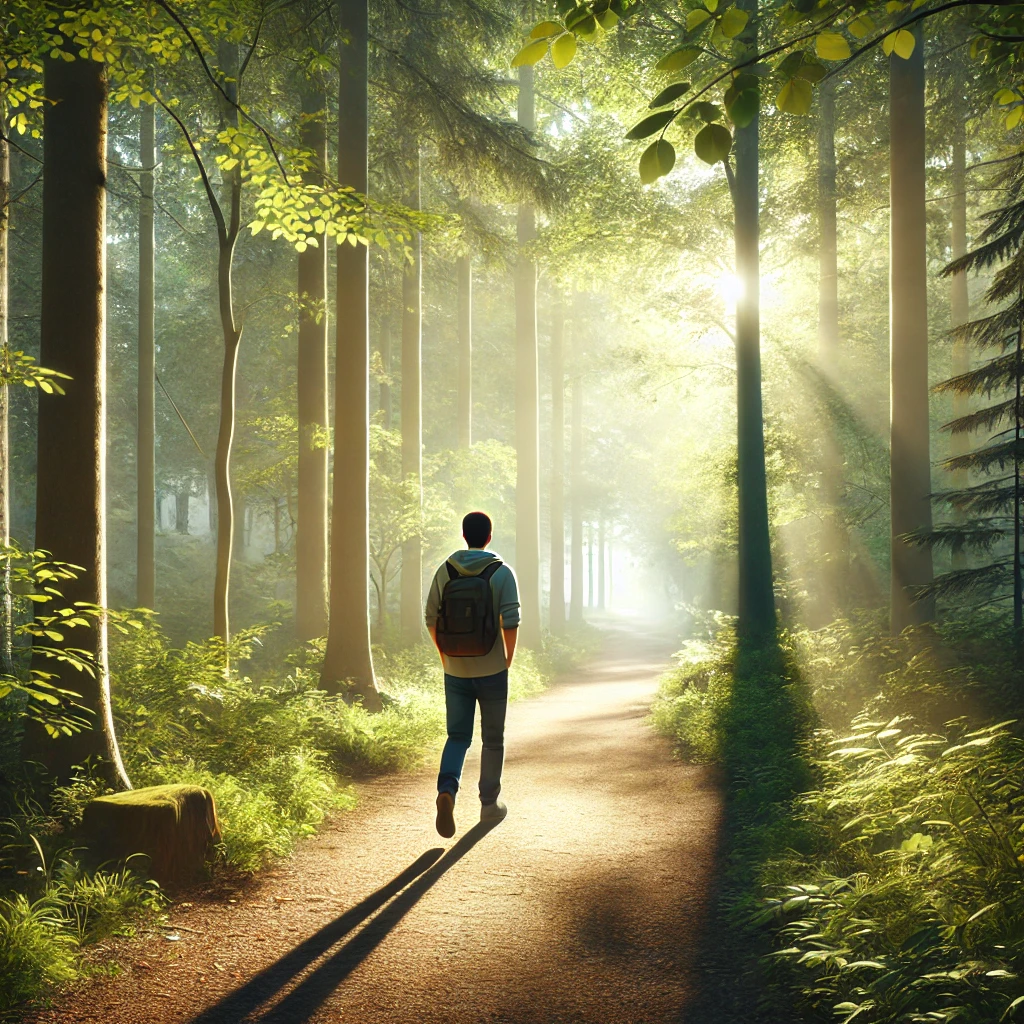
3. Quick Walk or Stretching Routine
A light walk or stretching session can elevate your mood and focus naturally by increasing blood flow and releasing endorphins. Sleep Science journal points to the benefits of physical movement in small doses as a way to beat energy slumps.
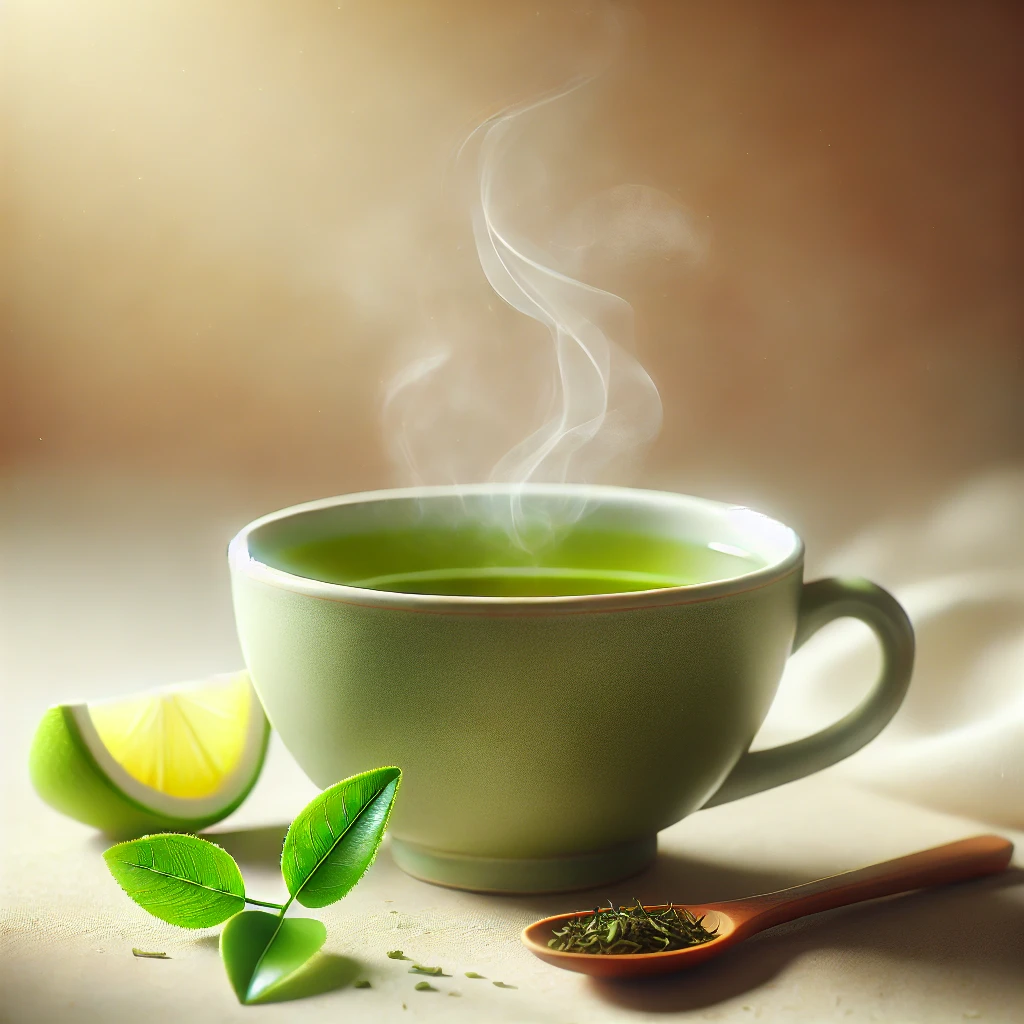
4. Decaffeinated Coffee or Low-Caffeine Teas
If it’s the ritual of sipping something warm that helps you recharge, try a decaf option or a low-caffeine tea like green tea.
For those who can’t part with their energy drinks, there are ways to be a bit more sleep-conscious about them:
- Choose Lower-Caffeine Options
Some energy drinks come in lower caffeine varieties, which may be a better choice if you need a late-day energy boost. Look for products that disclose caffeine content, ideally under 50 mg if you’re drinking it post-lunch. - Spread Out Your Intake
Instead of chugging a full can at once, try sipping slowly. This helps keep caffeine levels more stable and gives your body time to process it without a massive spike. - Avoid High-Sugar Blends
High-sugar energy drinks can cause a sugar crash that may interfere with sleep, so opt for lower-sugar versions. - Pair with a Meal
Having food in your system can help slow the absorption of caffeine and prevent the sudden “rush” that makes it hard to wind down later.
Energy drinks can undoubtedly provide a burst of energy and focus, but timing, dosage, and choice of drink can all impact how well you sleep at night. Here’s a recap of the top points to keep in mind:
- Find Your Caffeine Cut-Off Time: Set a limit on caffeine intake at least six hours before bed to prevent sleep disturbances.
- Consider Alternatives: Late-day energy boosts don’t have to be caffeinated; consider options like herbal tea or a quick stretch.
- Check Ingredients Carefully: Some ingredients can have a more prolonged impact, so opt for drinks with transparent labeling.
- Listen to Your Body: If energy drinks are disrupting your sleep, it may be time to adjust your routine.
Energy drinks have found their place as a popular, convenient solution for those seeking a quick energy boost, but that boost can come at a price—your sleep. By understanding how caffeine affects your body, timing your intake wisely, and exploring alternatives when needed, you can have the best of both worlds: staying alert during the day without sacrificing rest at night.
Works Cited
- Nature and Science of Sleep. “The Role of REM Sleep in Cognitive Function.”
- Clinical Pharmacology & Therapeutics. “The Half-Life of Caffeine and Its Effect on Sleep.”
- Sleep Medicine Reviews. “Impact of Caffeine on Sleep Stages.”
- American Journal of Psychiatry. “Caffeine Dependency and Withdrawal: Strategies for Reduction.”