Loading…
Loading…
By Energy Drink Ratings6 min read
How much caffeine is in your can? We track the real caffeine content of every drink in our catalog — see them ranked from highest to lowest, with ranges for every major brand, on our Caffeine Content Rankings.
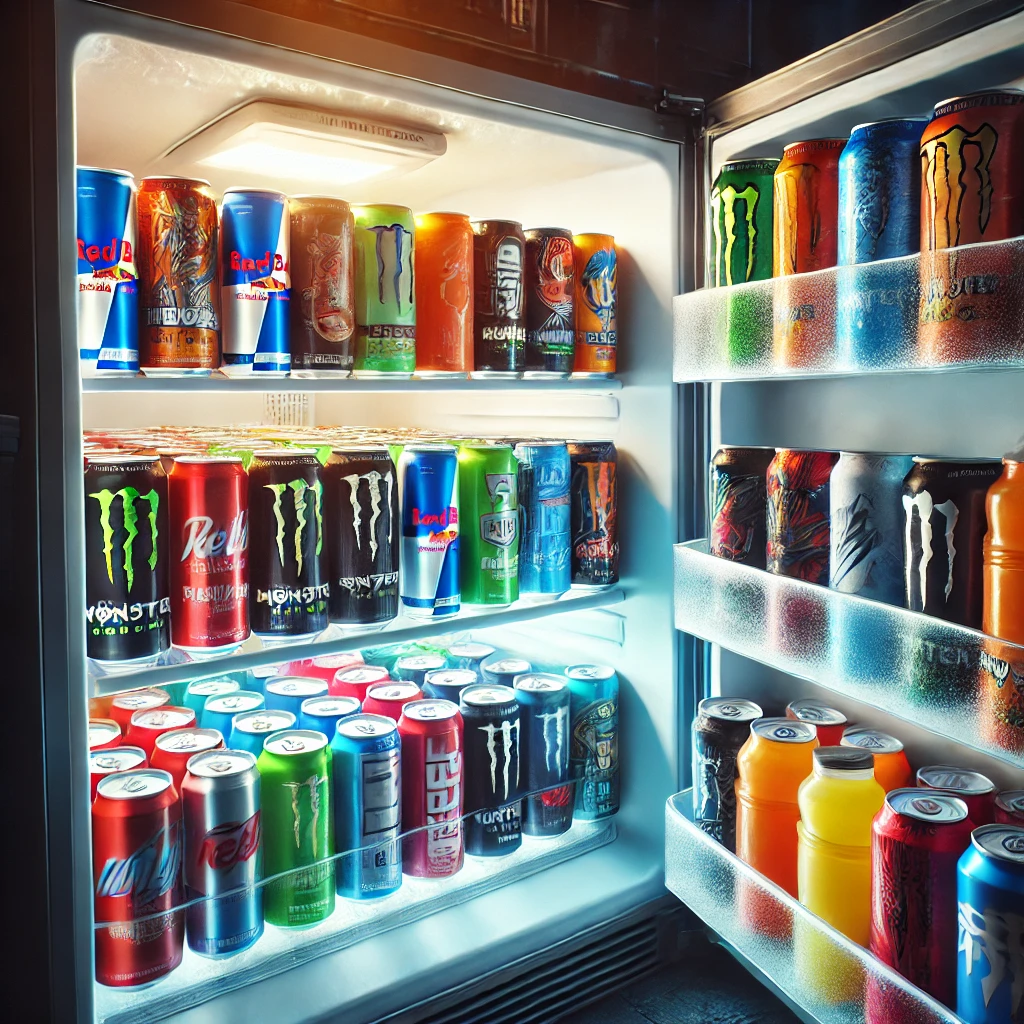 The primary source of energy in most drinks is caffeine. Depending on the brand, an energy drink can contain anywhere from 50 to over 300 milligrams of caffeine per serving. To put that in perspective, a standard cup of coffee contains about 95 milligrams of caffeine. But while coffee feels like a more natural way to stay alert, energy drinks often combine caffeine with high levels of sugar and other additives to magnify the effects, sometimes to the detriment of your health.
When you drink an energy drink, the effects are typically felt within 10 to 15 minutes. The caffeine in the drink enters your bloodstream quickly, increasing alertness, boosting mood, and, in some cases, improving physical performance. For athletes and those in need of a quick mental boost, these immediate effects can seem like a perfect solution.
According to a study published in the Journal of the American Heart Association (JAHA), energy drinks can improve cognitive performance and physical stamina in the short term, but they come with some serious downsides. While caffeine does its job in the moment, the combination of high sugar and artificial additives can lead to sugar crashes, mood swings, and heart-related side effects.
The primary source of energy in most drinks is caffeine. Depending on the brand, an energy drink can contain anywhere from 50 to over 300 milligrams of caffeine per serving. To put that in perspective, a standard cup of coffee contains about 95 milligrams of caffeine. But while coffee feels like a more natural way to stay alert, energy drinks often combine caffeine with high levels of sugar and other additives to magnify the effects, sometimes to the detriment of your health.
When you drink an energy drink, the effects are typically felt within 10 to 15 minutes. The caffeine in the drink enters your bloodstream quickly, increasing alertness, boosting mood, and, in some cases, improving physical performance. For athletes and those in need of a quick mental boost, these immediate effects can seem like a perfect solution.
According to a study published in the Journal of the American Heart Association (JAHA), energy drinks can improve cognitive performance and physical stamina in the short term, but they come with some serious downsides. While caffeine does its job in the moment, the combination of high sugar and artificial additives can lead to sugar crashes, mood swings, and heart-related side effects.

 Another area of concern is how energy drinks can affect mental health. Caffeine dependency is a very real issue. As people consume more caffeine to fight off fatigue, they build up a tolerance, which means they need more to achieve the same effect. This can lead to a vicious cycle of overconsumption, irritability, anxiety, and even insomnia. Studies have shown that overconsumption of caffeine from energy drinks can increase the risk of anxiety disorders and exacerbate symptoms in those who are already prone to anxiety.
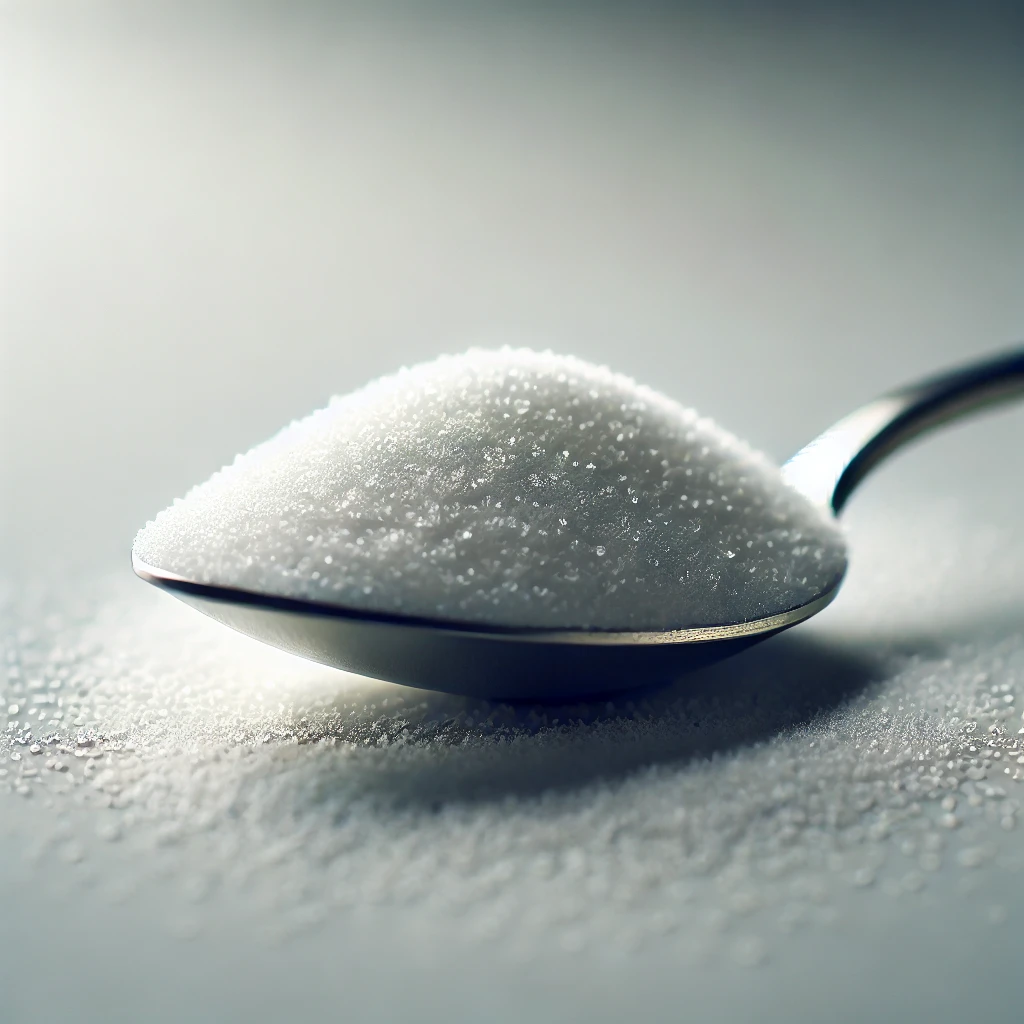
For many energy drinks, sugar is just as much of a concern as caffeine. While some sugar-free options exist, many popular brands still pack a punch of sugar in each can. For instance, one 16-ounce can of Monster Energy contains 54 grams of sugar—equivalent to more than 13 teaspoons. This excessive sugar content not only contributes to the infamous sugar crash but also significantly raises your risk for weight gain, insulin resistance, and type 2 diabetes if consumed often enough.
Another area of concern is how energy drinks can affect mental health. Caffeine dependency is a very real issue. As people consume more caffeine to fight off fatigue, they build up a tolerance, which means they need more to achieve the same effect. This can lead to a vicious cycle of overconsumption, irritability, anxiety, and even insomnia. Studies have shown that overconsumption of caffeine from energy drinks can increase the risk of anxiety disorders and exacerbate symptoms in those who are already prone to anxiety.
For many energy drinks, sugar is just as much of a concern as caffeine. While some sugar-free options exist, many popular brands still pack a punch of sugar in each can. For instance, one 16-ounce can of Monster Energy contains 54 grams of sugar—equivalent to more than 13 teaspoons. This excessive sugar content not only contributes to the infamous sugar crash but also significantly raises your risk for weight gain, insulin resistance, and type 2 diabetes if consumed often enough.
 Even sugar-free versions aren’t necessarily free of health risks. Artificial sweeteners used in place of sugar, such as aspartame or sucralose, have been linked to issues with gut health, and some studies suggest they may interfere with how the body regulates both energy and appetite. While more research is needed in this area, it’s clear that neither sugar-loaded nor artificially sweetened energy drinks are free from risk.
Many people consume energy drinks as part of their workout routines. The combination of caffeine and taurine is often promoted to enhance athletic performance, endurance, and even fat burning. But does the science actually support these claims?
Some studies suggest that moderate caffeine consumption can enhance physical performance by reducing the perception of fatigue and increasing endurance. However, the added sugars and other ingredients in energy drinks can negate these benefits. Sugar spikes may offer a short burst of energy, but they often result in a crash that can leave you feeling more fatigued than before.
For athletes looking for a boost, energy drinks may seem tempting, but many health professionals recommend opting for alternatives like coffee, tea, or specialized sports drinks with electrolytes, which can offer similar performance benefits without the risks.
While occasional use may provide short-term benefits, the long-term effects of regular energy drink consumption are a growing concern. Beyond the immediate risks to heart health, frequent consumption of high-caffeine, high-sugar beverages can have profound effects on the body's overall health.
Over time, daily use of energy drinks can lead to chronic issues such as:
Even sugar-free versions aren’t necessarily free of health risks. Artificial sweeteners used in place of sugar, such as aspartame or sucralose, have been linked to issues with gut health, and some studies suggest they may interfere with how the body regulates both energy and appetite. While more research is needed in this area, it’s clear that neither sugar-loaded nor artificially sweetened energy drinks are free from risk.
Many people consume energy drinks as part of their workout routines. The combination of caffeine and taurine is often promoted to enhance athletic performance, endurance, and even fat burning. But does the science actually support these claims?
Some studies suggest that moderate caffeine consumption can enhance physical performance by reducing the perception of fatigue and increasing endurance. However, the added sugars and other ingredients in energy drinks can negate these benefits. Sugar spikes may offer a short burst of energy, but they often result in a crash that can leave you feeling more fatigued than before.
For athletes looking for a boost, energy drinks may seem tempting, but many health professionals recommend opting for alternatives like coffee, tea, or specialized sports drinks with electrolytes, which can offer similar performance benefits without the risks.
While occasional use may provide short-term benefits, the long-term effects of regular energy drink consumption are a growing concern. Beyond the immediate risks to heart health, frequent consumption of high-caffeine, high-sugar beverages can have profound effects on the body's overall health.
Over time, daily use of energy drinks can lead to chronic issues such as:
 Moderation is Key
While energy drinks can be a convenient way to boost your energy in the short term, regular consumption carries significant risks. The high levels of caffeine, sugar, and additives in many popular brands can negatively impact both your physical and mental health, especially when consumed daily. For most people, moderation is key. Occasional use of energy drinks may not pose serious harm, but daily reliance can lead to a host of long-term health issues.
If you find yourself reaching for an energy drink every day, it may be worth reconsidering your options and exploring safer, more sustainable ways to boost your energy. Whether it’s through hydration, a balanced diet, or natural alternatives like herbal teas and adaptogens, there are healthier ways to stay energized without putting your body at risk.
Check out our guide to make your own energy drinks at home for another safe alternative.
Moderation is Key
While energy drinks can be a convenient way to boost your energy in the short term, regular consumption carries significant risks. The high levels of caffeine, sugar, and additives in many popular brands can negatively impact both your physical and mental health, especially when consumed daily. For most people, moderation is key. Occasional use of energy drinks may not pose serious harm, but daily reliance can lead to a host of long-term health issues.
If you find yourself reaching for an energy drink every day, it may be worth reconsidering your options and exploring safer, more sustainable ways to boost your energy. Whether it’s through hydration, a balanced diet, or natural alternatives like herbal teas and adaptogens, there are healthier ways to stay energized without putting your body at risk.
Check out our guide to make your own energy drinks at home for another safe alternative.
 References: