
Loading…
Loading…
By Energy Drink Ratings8 min read
Energy drinks—whether you love them, hate them, or rely on them daily, they’re an undeniably huge part of our day-to-day life. But here’s a question I hadn’t thought much about until recently: what kind of caffeine is actually in these drinks?
How much caffeine is in your can? We track the real caffeine content of every drink in our catalog — see them ranked from highest to lowest, with ranges for every major brand, on our Caffeine Content Rankings.
Not all caffeine is the same, and as it turns out, there’s a big difference between natural caffeine, which comes from plants, and synthetic caffeine, which is made in a lab. This difference can influence everything from how quickly you feel that energy kick to how it impacts your health over the long term.
In this post, I’m going to break down what natural and synthetic caffeine really are, explore how they’re processed in the body, and look at their potential health benefits and risks.
My goal? To help you make the best choice for yourself and your body. And as always, a quick disclaimer: I’m not a doctor or nutritionist. Everything here is based on research I’ve done online, so consult a professional for personalized advice.
What’s the Difference Between Natural and Synthetic Caffeine?
Let’s start with the basics: what exactly is the difference between natural caffeine and synthetic caffeine? While they’re chemically identical (they’re both just caffeine, after all), how they’re made and how they work in the body isn’t exactly the same.
Natural caffeine is derived directly from plants, like coffee beans, tea leaves, guarana, and yerba mate. When you consume caffeine from these natural sources, you’re getting more than just caffeine. Each plant has its own unique mix of other compounds—antioxidants, amino acids, even small amounts of vitamins and minerals—that can affect how the caffeine interacts with your body.
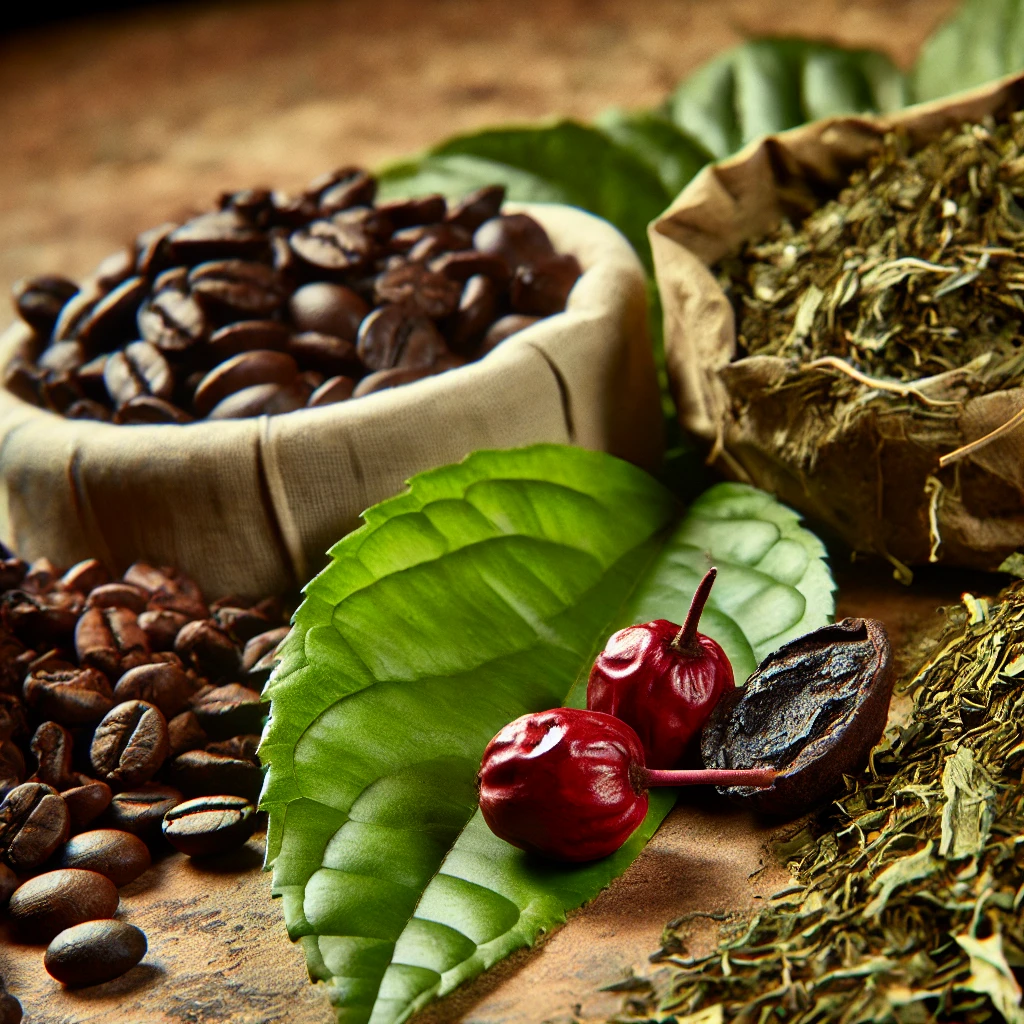
For example, green tea has both caffeine and an amino acid called L-theanine, which is thought to balance out caffeine’s stimulant effects, leading to a calmer, more sustained energy.
Synthetic caffeine, on the other hand, is made in a lab. It’s chemically identical to natural caffeine, so in theory, your body processes it the same way.
But there’s a twist: synthetic caffeine is more highly refined and stripped down than natural sources. Without any plant-based compounds to slow absorption, synthetic caffeine is absorbed more quickly, leading to a faster (and sometimes more intense) caffeine kick. However, this rapid absorption can sometimes come with more pronounced jitters and a quicker “crash.”
In short: natural caffeine is “packaged” with other plant-based compounds, making it a more gradual and balanced experience, while synthetic caffeine is pure, potent, and often hits fast.
How the Body Absorbs Natural vs. Synthetic Caffeine
One of the biggest differences between natural and synthetic caffeine is how they’re absorbed by the body. While both types of caffeine ultimately have the same effect (increasing alertness, reducing fatigue), the rate of absorption—and the experience of that energy boost—can vary drastically.
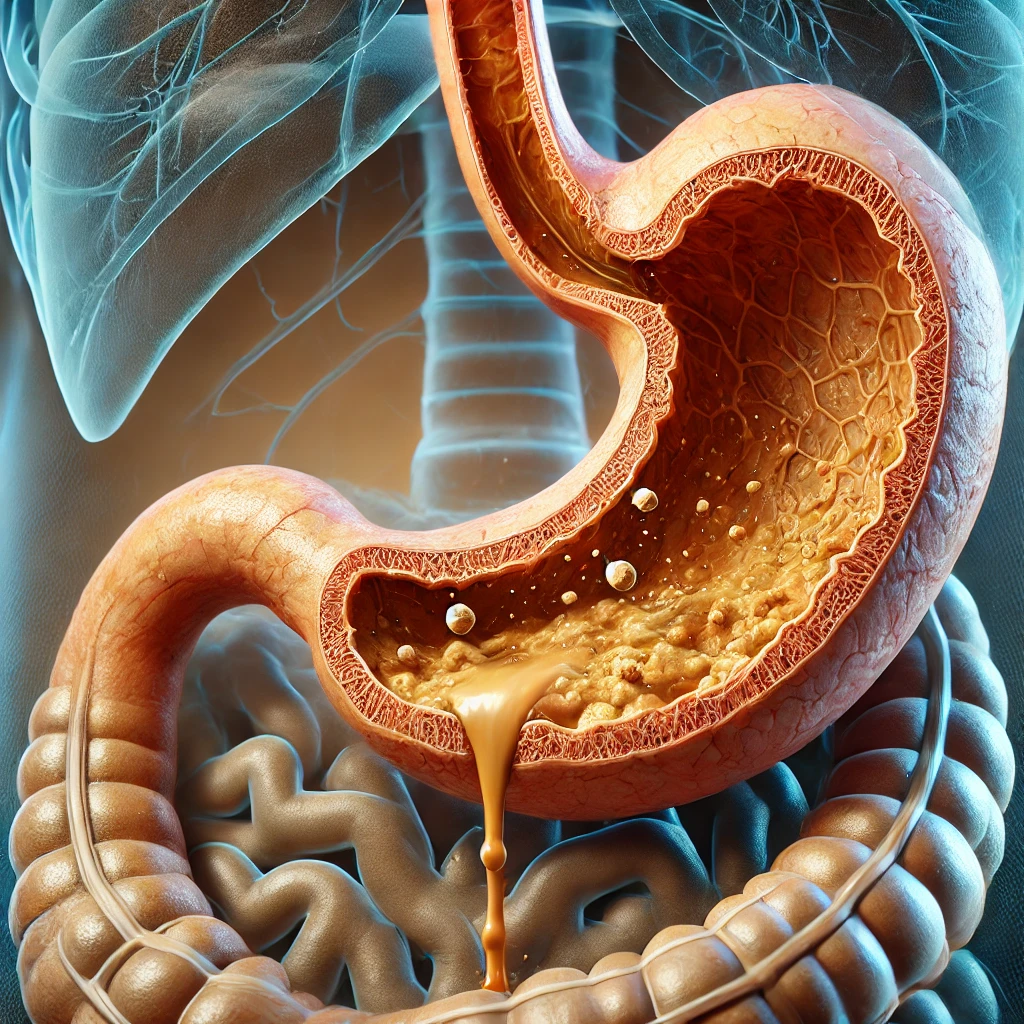
When you consume caffeine from natural sources, it’s typically mixed with other compounds in the plant. This “natural packaging” slows down the absorption of caffeine, creating a gentler and longer-lasting energy boost.
For instance, many people report that drinking green tea, which has both caffeine and L-theanine, provides a calming energy lift rather than the jittery burst that can come from coffee or synthetic energy drinks. The slower absorption means you’re less likely to experience a hard crash once the caffeine wears off, and you might not get as many of the common side effects, like jitters or anxiety.
Synthetic caffeine doesn’t come with any “natural” slow-release compounds, so it’s absorbed quickly—often giving you a faster, more intense boost. This can be a good thing if you’re looking for a quick pick-me-up. But there’s a downside: without the natural compounds that slow down the caffeine’s effects, you might experience a stronger crash as the caffeine leaves your system.
Additionally, some people report more noticeable side effects with synthetic caffeine, like increased heart rate, anxiety, or digestive discomfort.
Is one type of caffeine healthier than the other? While there’s no simple answer, understanding the potential benefits and risks of each type can help you make a more informed choice, especially if you’re a regular drink consumer.
Short-Term Effects
Long-Term Effects
So what about long-term use? If you’re reaching for energy drinks daily or even a couple of times a week, it’s important to consider how these caffeine types might affect your health over time.
In the long run, choosing natural caffeine sources whenever possible might be a better option for those concerned about these potential risks.
Energy drinks are not all the same when it comes to caffeine sources. Here’s a look at some of the most popular brands and whether they use natural or synthetic caffeine:
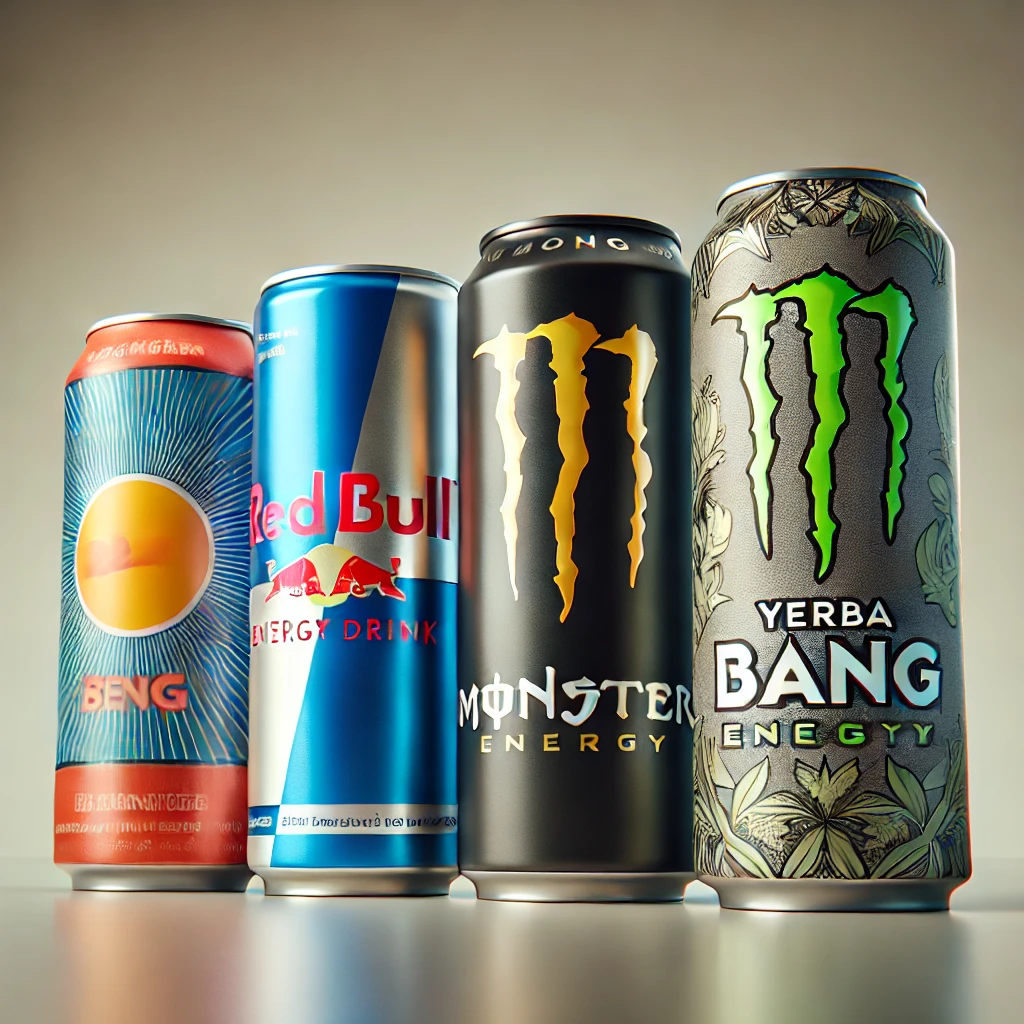
If you’re ready to make the most out of your caffeine fix, here are some tips for choosing between natural and synthetic caffeine:
So, which is better: natural caffeine or synthetic caffeine? Ultimately, the answer depends on what you’re looking for and how your body handles caffeine.
In the end, both types of caffeine have their place, and the “better” choice comes down to your needs, your tolerance, and how you feel about each option’s potential health effects. Whether you’re reaching for a can of Bang, a cup of green tea, or a yerba mate drink, remember to consume caffeine mindfully and keep your long-term health in mind. After all, a balanced approach is usually the best way to keep that energy flowing—naturally or otherwise.
Works Cited