Loading…
DoD guidance for general use: no more than 400mg of caffeine a day from all sources, and no energy drinks within 6 hours before bed. Here is how the cans stack up against that, using the figure printed on each label.
We are an independent ratings site, not part of or endorsed by the Department of Defense. This page reports published guidance and label figures. It isn't medical advice, and the DoD's guidance dates from 2020, so check with your medical provider and your unit for what applies to you.
Each bar is the brand's most common label figure; a full bar is 400mg. Range is every drink we list for that brand, so check the can you actually have.
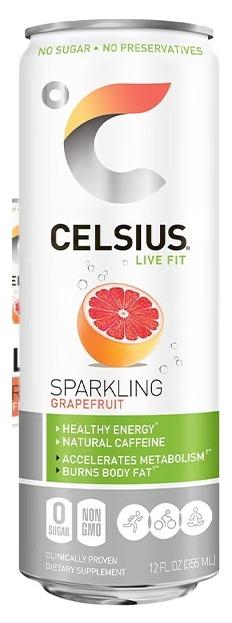
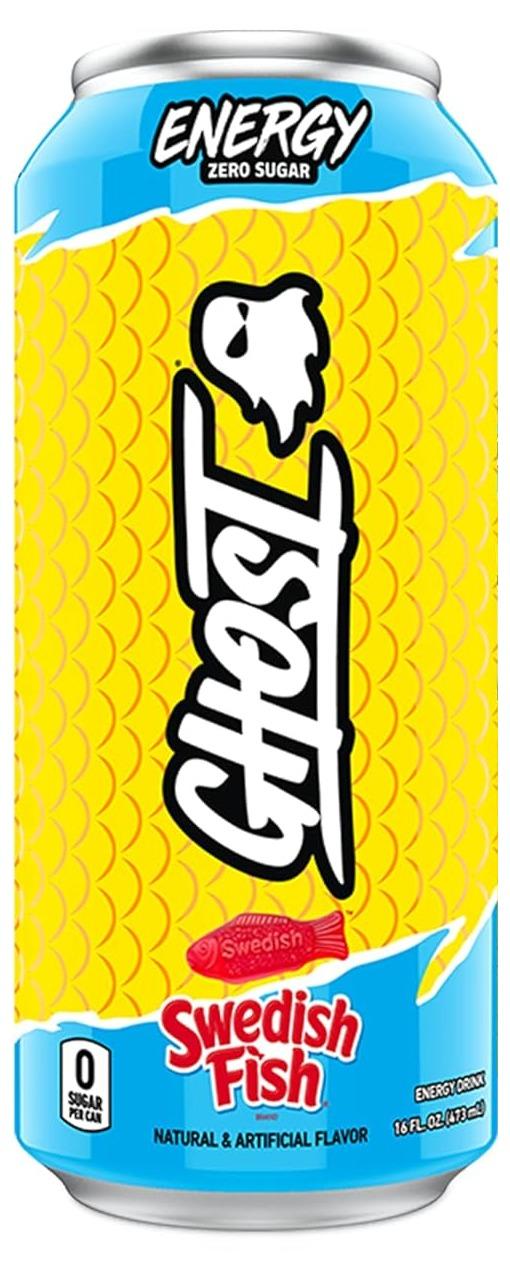
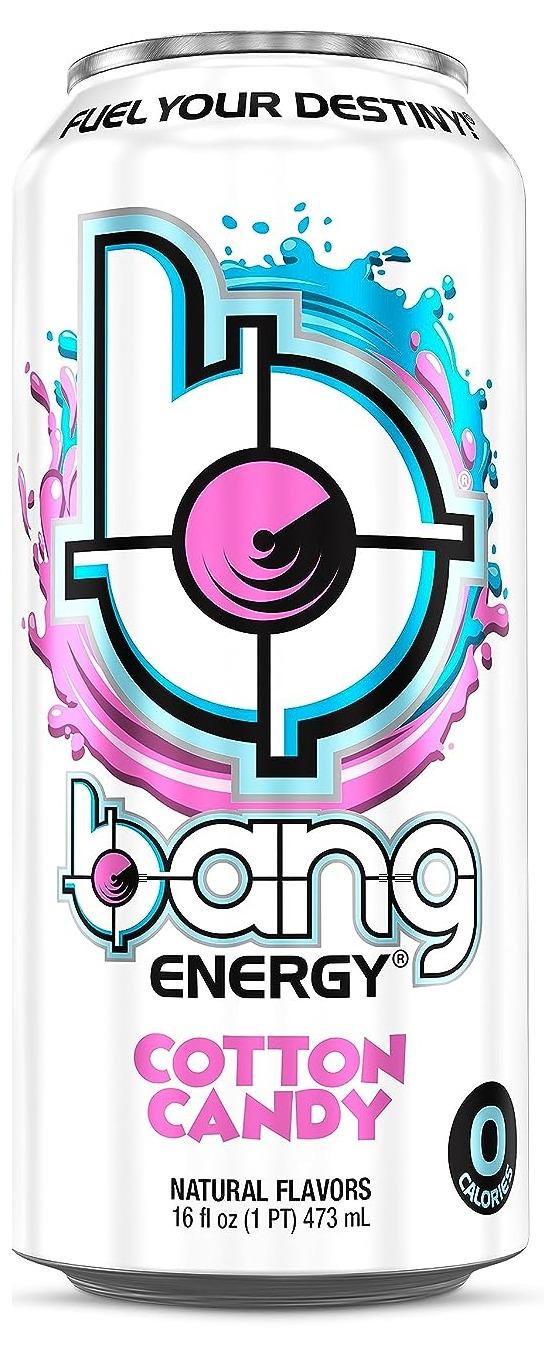
At 80mg, five cans reach 400mg. At 160mg it takes two and a half, at 200mg two, and a second 300mg can goes past it. Across our catalog, 207 of 1,080 drinks with a caffeine figure have more than 200mg per can.
If you are using caffeine to stay alert during sustained operations, Operation Supplement Safety says to look for products with 200mg or less, have no more than 200mg every 4 hours, and not exceed 600mg in 24 hours (800mg for sustained operations).
The DoD Nutrition Committee's position statement says doses up to 800mg per 24 hours can be used for limited periods during substantial unavoidable sleep loss. It also says some studies found about 200mg can hurt military tasks such as marksmanship, while others found caffeine helps it in sleep-deprived troops.
Neither DoD document sets out a plan for cutting caffeine before you ship. The FDA says that if you drink caffeine every day and want to cut back, it's best to do so gradually, and that withdrawal isn't considered dangerous but can be unpleasant. Talk to a doctor if you have questions about your own intake.
The 400mg figure is for healthy adults. The DoD statement notes that acceptable doses for children and adolescents are lower.
Operation Supplement Safety says not to use energy drinks or shots immediately before, during, or after strenuous activity, and that energy drinks are not sports drinks, which are designed to fuel and hydrate you during long workouts.
Rules are stricter here, and they differ by branch. The 2020 DoD statement quotes Air Force and Army policies requiring flight surgeon approval for supplements, and a Navy guide that does not authorize energy drinks for personnel on flight status actively performing duties in an aircraft. Check your branch's current policy.
In a 2010 survey of Army and Marine combat platoons in Afghanistan (988 answered), 44.8% drank at least one energy drink a day and 13.9% drank three or more. In a study of 627 male infantry soldiers seven months after a combat deployment, 75.7% had one in the past month and 16.1% drank two or more a day.
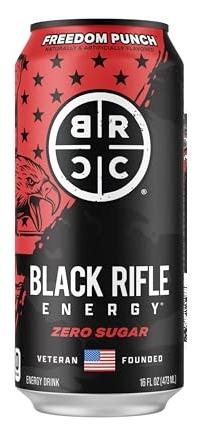
Black Rifle Energy comes from Black Rifle Coffee Company, which describes itself as veteran-founded. Its cans in our catalog are 200mg or 300mg, depending on the drink.
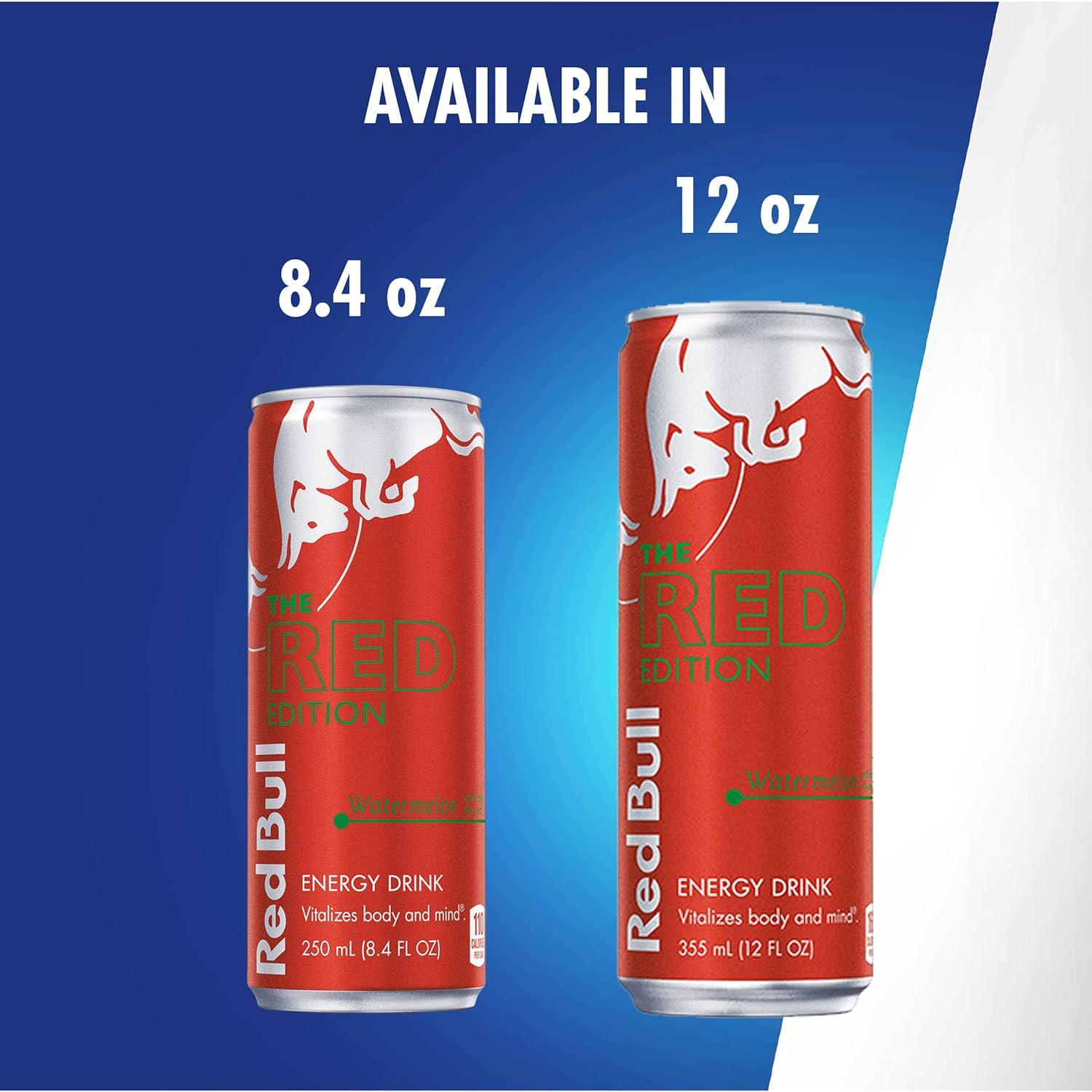
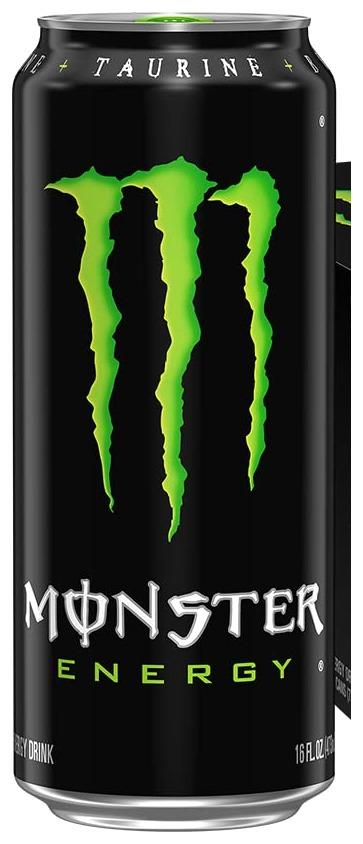
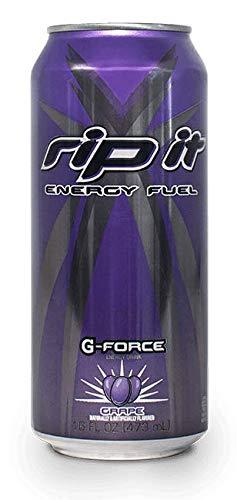
One real can from each brand above. Rate one and mark that you serve or served, and it counts toward Military Favorites.
For general use, the DoD's Operation Supplement Safety says not to consume more than 400mg a day from all sources, which it describes as about 2 to 3 energy drinks. It also says not to have energy drinks within 6 hours before bedtime.
Operation Supplement Safety says to look for products with 200mg or less, have no more than 200mg every 4 hours, and not exceed 600mg in 24 hours (800mg for sustained operations). This applies when caffeine is used to maintain alertness during sustained operations, not to everyday use.
It depends on the can. Five 80mg cans, two and a half 160mg cans, or two 200mg cans reach 400mg, and a second 300mg can passes it. This counts energy drinks only: the DoD limit covers caffeine from all sources.
Operation Supplement Safety says not to use them immediately before, during, or after strenuous activity, and notes that energy drinks are not sports drinks.